
Greta Talbot-Jones
Profile

Job title
Director, Natural Capital / Portfolio Manager, Carbon Removal Fund
Contact details
Work location

London, United Kingdom
Joined Aviva Investors
2021
Joined The Industry
2013
Biography
Main responsibilities
Greta leads the expansion of Aviva Investors’ capabilities in direct natural capital and nature-based investing, with a particular focus on the intersection with global carbon and nature markets. As Co-Portfolio Manager of the Carbon Removal Fund (CRF), Greta is responsible for origination, financial and impact due diligence as well as ongoing portfolio and fund management.
Experience and qualifications
Previously, Greta served as a Director within Aviva Investors’ Private Markets Sustainable Investment team. Before joining Aviva Investors, she structured private debt and equity investments for renewable energy and impact ventures in emerging markets. Earlier in her career, Greta advised the natural resources sector as a strategy consultant in Australia, specialising in predictive analytics and supply chain optimisation following experience as an environmental engineer in New Zealand.
Greta holds degrees in Natural Resources Engineering and Financial Economics from the University of Canterbury, New Zealand. Her engineering studies focused on renewable energy, water engineering, and nature-based solutions.
Related profiles

Giulia Bertuzzi
Junior Portfolio Manager, Liquid Markets

Eugenie Mathieu
Nature Stewardship Lead

Mirza Baig
Chief Sustainable Investing Officer
You might also be interested in
-
Security and transition: How energy is impacting sovereign debt
5 Nov 2026
The low-carbon transition can bolster countries’ energy security, but it can also increase risk in ways that are easy to overlook. Broad indicators are no longer enough to understand the links between energy transition, energy security and sovereign debt risk.
-
Natural capital comes of age: Part three: How nature markets will mature
2 Nov 2026
In the third of four articles, we explore the catalysts that can accelerate the process by which nature markets mature, drawing on examples from renewable energy, water rights, carbon markets and forestry.
-

The new realities of investing
30 Oct 2026
Geopolitics, technology and the energy transition are influencing where capital flows, and how investors think about risk, resilience and long-term returns.
-

When climate ambition meets reality: What investors are learning about credible transition delivery
19 Oct 2026
Three years into our Climate Stewardship 2030 programme, we are seeing corporate climate strategies being tested for their ability to attract capital, withstand disruption and deliver through changing economic and political conditions.
-
Global climate and nature conferences
13 Oct 2026
Climate change and nature degradation are widely recognised as a source of potentially material financial risks, which will increase in the long term. Tackling them requires international cooperation, such as at the Conferences of Parties (COPs) and effective domestic implementation.
-
Natural capital comes of age: Part two: Why not all natural capital revenue streams are created equal
1 Oct 2026
In the second of four articles, we explain how environmental importance does not automatically translate into investment readiness. Investor confidence in future revenues depends on market evidence, contractual certainty and a track record of delivery.
-
Revitalising Glen Dye Moor: Real asset stories
28 Sept 2026
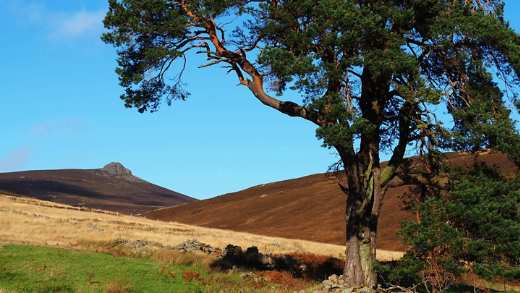
In our latest case study, we look at Glen Dye Moor, a 6,300-hectare site in Aberdeenshire, Scotland. We intend to rejuvenate the land, simultaneously removing carbon from the atmosphere, and delivering financial outcomes for investors and social benefits for local communities.
-

Building the future
16 Sept 2026
Sustainability-related regulation is becoming an increasingly material driver of real estate investment decision-making, rather than just a compliance requirement. Jeremy Ho analyses the implications.
-

UK and EU sustainability regulations: Could a narrow focus be missing the bigger picture?
27 Aug 2026
Regulation must recognise that sustainable investing incorporates more than the provision of sustainable funds alone.
-
Natural capital comes of age: Part one: From environmental value to investment opportunity
25 Aug 2026
In the first of four insights, we explain why natural capital is a foundational input into economic activity. Forests, soils, rivers, wetlands, oceans and biodiversity are productive assets that generate products such as timber or food and are natural regulators of water flows.
-

2026 AGM season
10 Aug 2026
As AGM season winds down, we examine the key trends that influenced resolutions and outline our core principles for voting.
-

UK low-carbon policy: What to look out for in 2026
27 Jan 2026
Aviva’s Nick Molho looks at this year’s policy priorities and likely developments for the UK’s low-carbon agenda, and reflects on what it means for investors.
-

Building bridges to net zero: Mobilising value chains for decarbonisation
25 Nov 2024
From aviation to heavy industry, achieving net zero requires a collective unlocking of entire ecosystems. This is what our sector roundtables aim to do, by bringing together stakeholders from across the value chain of high-impact sectors.
-

Only connect: How a holistic approach to investment stewardship can enhance client outcomes
27 Sept 2024
From direct investments and engagement with companies to dialogue with governments and regulators, we believe stewardship efforts can deliver better outcomes for clients.
-

Get networking: Will the next decade be a golden age for UK infrastructure?
3 Sept 2024
While there are obstacles to overcome, the coming years could see new opportunities for the UK government and the private sector to work together on infrastructure projects, says Darryl Murphy.
-

Real asset stories: Curtain House
8 Aug 2024
In the first instalment of a new series of case studies on our real asset investments, we look at Curtain House, a Victorian warehouse Aviva Investors is converting into a modern, environmentally friendly office building.


